Most Malaysian micro, small and medium enterprises (MSMEs) plan to spend more on technology next year, but few say their business already runs mostly on digital tools. In a survey of 1,049 Malaysian businesses released on 18 November 2026 by accounting software company Xero, 77% said they plan to increase technology spending over the next 12 months, while just 28% described their operations as mostly or fully digital.
Contents
Quick facts
- Who was asked: 1,049 Malaysian micro, small and medium businesses, surveyed for Xero
- Spending: 77% plan to raise technology spending in the next 12 months
- Reality: 28% run mostly or fully digital, and 17% keep their finances in one digital tool
- AI: 44% actively use it, another 22% are testing it

The findings come from Xero's report, Turning Digital Progress Into Business Value: The State of Digital Maturity Among Malaysia's MSMEs. It lands as Malaysian sellers are being pushed online on several fronts at once, from Shopee and KUSKOP putting neighbourhood shops on Instant Mart to TikTok Shop launching its own app in Malaysia.
How digital Malaysian MSMEs are today
Digital tools are already common in two areas: IT, where 79% of respondents use them, and finance and accounting, at 77%. Across the whole business, the picture is more mixed.
- 28% say their operations are mostly or fully digital.
- 46% run on a mix of digital and manual processes.
- 26% remain mostly or fully manual.

Asked what is pushing them to adopt technology, businesses named customer expectations (53%) and the need to cut costs or improve efficiency (52%) most often. Compliance came next at 41%, with Malaysia's e-Invoicing rollout given as an example.
Many owners cannot see their own numbers clearly
The survey suggests financial visibility is a weak spot. Only 39% of MSMEs said they have direct visibility into revenue and profitability, and 35% said the same for cash flow and liquidity. One in ten said they had no direct visibility into their business finances at all.
Part of the problem is where the numbers live:
- 17% keep financial information in a single, immediately accessible digital tool.
- 27% pull it together from multiple platforms.
- 21% rely on manual sources such as spreadsheets.
- 21% can get an accurate financial picture in real time.

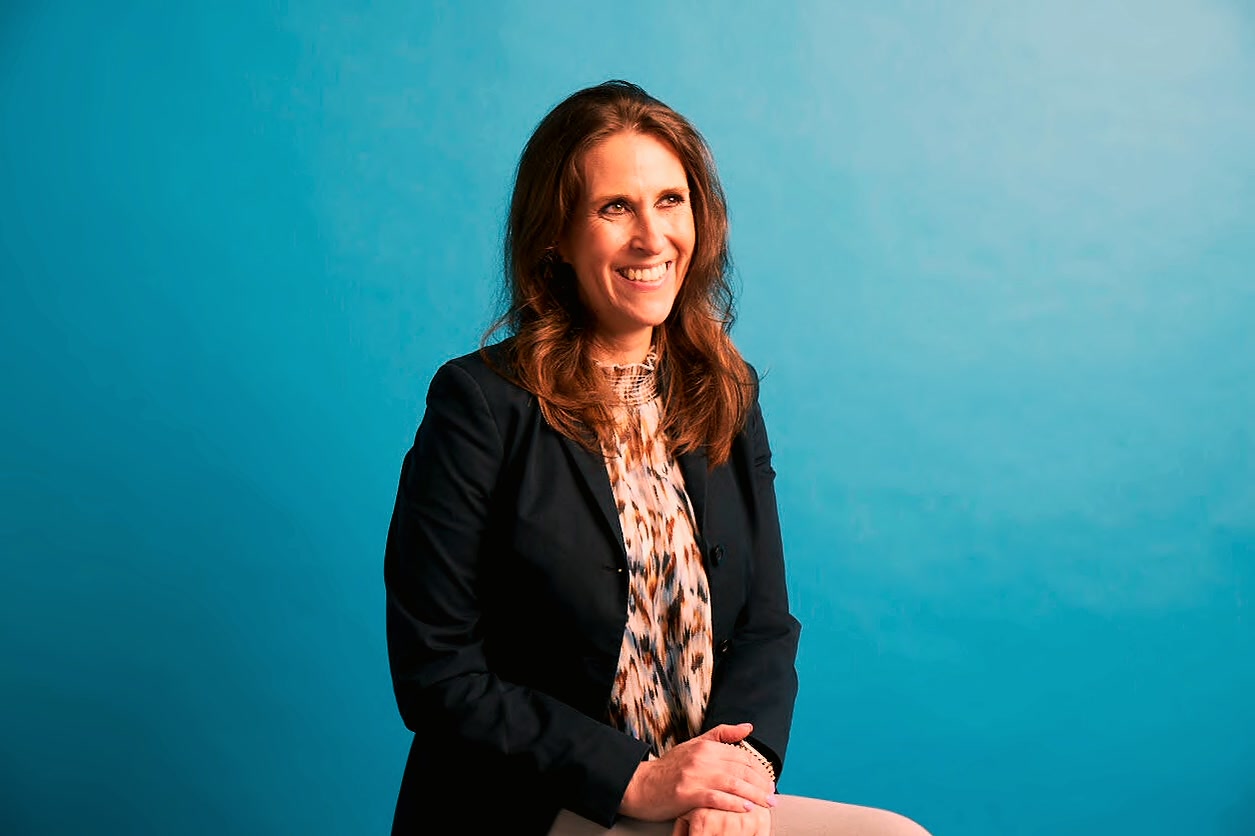
"Many are turning to digital tools to manage more of their day-to-day operations, from handling payments and invoicing to tracking expenses and managing customer relationships," said Koren Wines, Managing Director of Xero APAC. "The next step is making those tools work together to get a holistic sense of the business, so owners can make informed decisions to help them thrive."
AI use among Malaysian MSMEs
On artificial intelligence, 44% of respondents said they actively use AI, either across multiple business functions or in specific areas, and another 22% are piloting or testing AI tools.
The main barriers they named:
- Privacy and security concerns: 43%
- Skills and expertise: 36%
- Cost: 34%
Wines linked the findings to national plans, including the Thirteenth Malaysia Plan and the Malaysia Digital Action Plan 2030, saying MSMEs will need the right skills, systems and support to make their digital investments count.
What it means for small business owners
The gap in this survey is less about buying software and more about connecting it. With e-Invoicing already pushing many businesses to digitise their invoices, the figures suggest the next practical step for a typical MSME is getting sales, expenses and cash flow into one place, so the owner can see the business's position without assembling it from several apps and a spreadsheet.
Xero has published the full findings as a whitepaper alongside the announcement.