If you are a parent in Malaysia, the question of what your child sees on their phone has just moved a little out of your hands and into Google's. The company has begun rolling out its age assurance technology here, a system that tries to work out whether the person behind a Google account is over or under 18, then quietly changes what that account can do.
Contents
Quick facts
- Google has started rolling out age assurance in Malaysia, after Singapore and the US
- It estimates whether an account holder is under 18 from signals the account already has
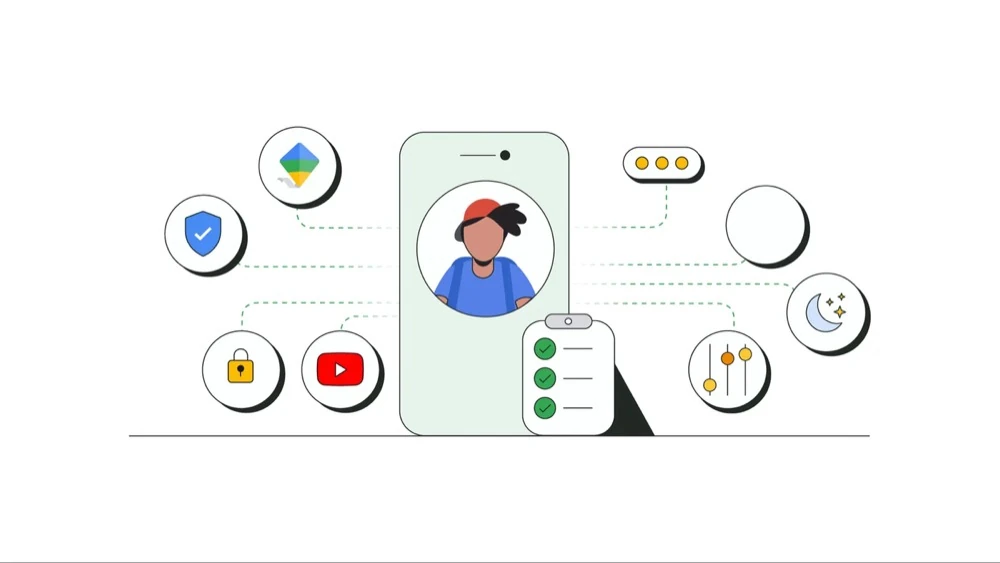
- Under-18 accounts get SafeSearch, mature content blocks, no personalised ads and YouTube break reminders
- Adults wrongly flagged can verify with a government ID or a selfie
Malaysia joins a list that already includes Singapore, the United States and other markets. Google frames it as part of a wider online safety effort, and for most adults nothing will change. The people it is built for are younger users, and the ones who will notice are the parents and guardians trying to keep up with them.
What changes for under-18s
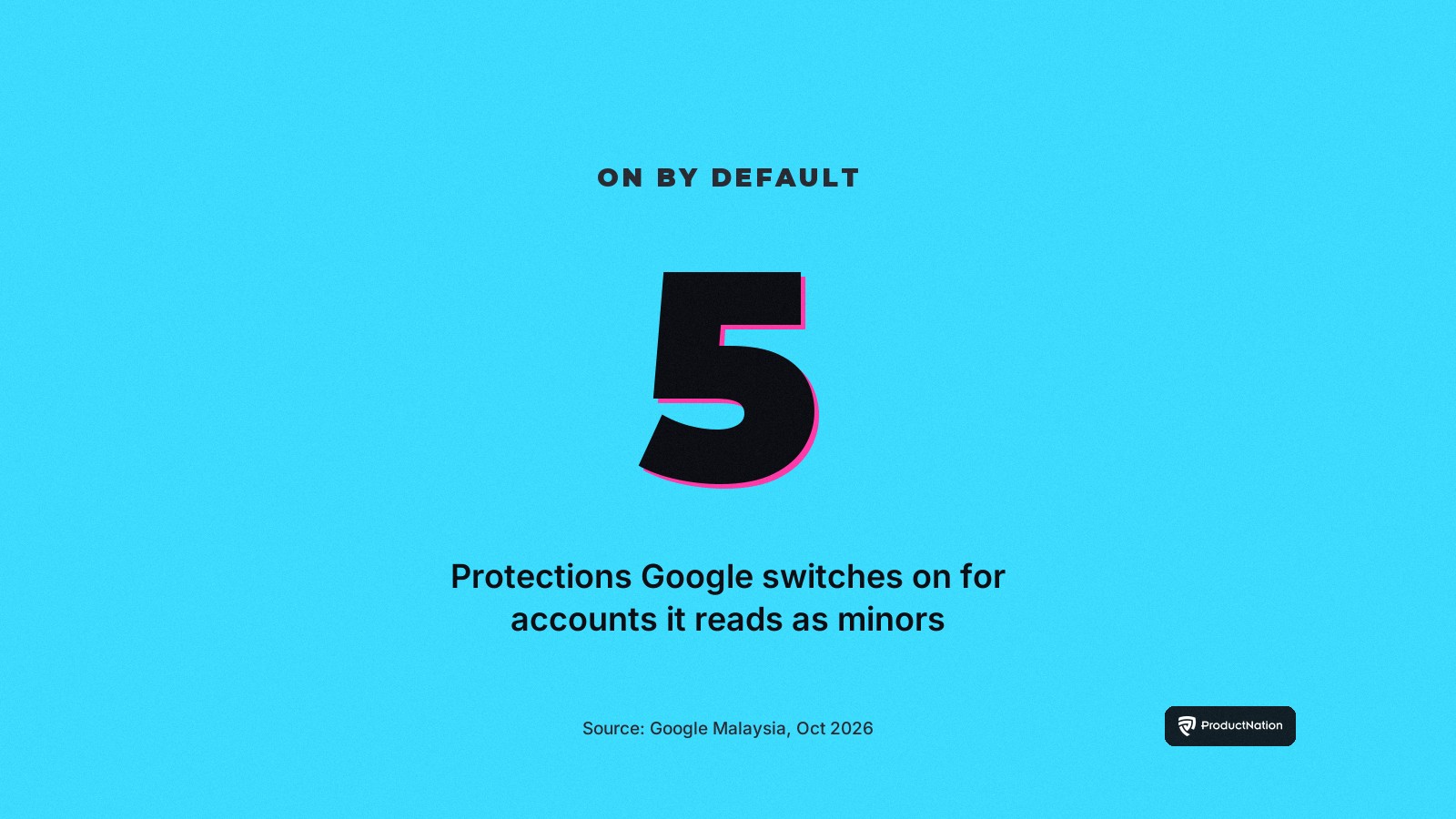
When Google's system estimates that an account belongs to someone under 18, it applies a set of protections automatically, without the user or a parent switching anything on. According to Google, these include:
- SafeSearch filtering on by default, so explicit results are kept out of ordinary searches.
- Mature material blocked on products such as Google Play and the Gemini assistant.
- Personalised advertising switched off for the account.
- The location timeline in Google Maps disabled.
- YouTube digital wellbeing tools turned on, including "take a break" and "time for bed" reminders, plus limits on repeatedly recommending the same kinds of content.
How Google's age assurance works
The part that will raise eyebrows is how the system decides who is a minor. Google says its age estimation model uses machine learning to read signals already tied to an account, the activity and history it holds anyway, rather than collecting new data to make the call. If the model thinks an account belongs to someone under 18, Google notifies the user by email.
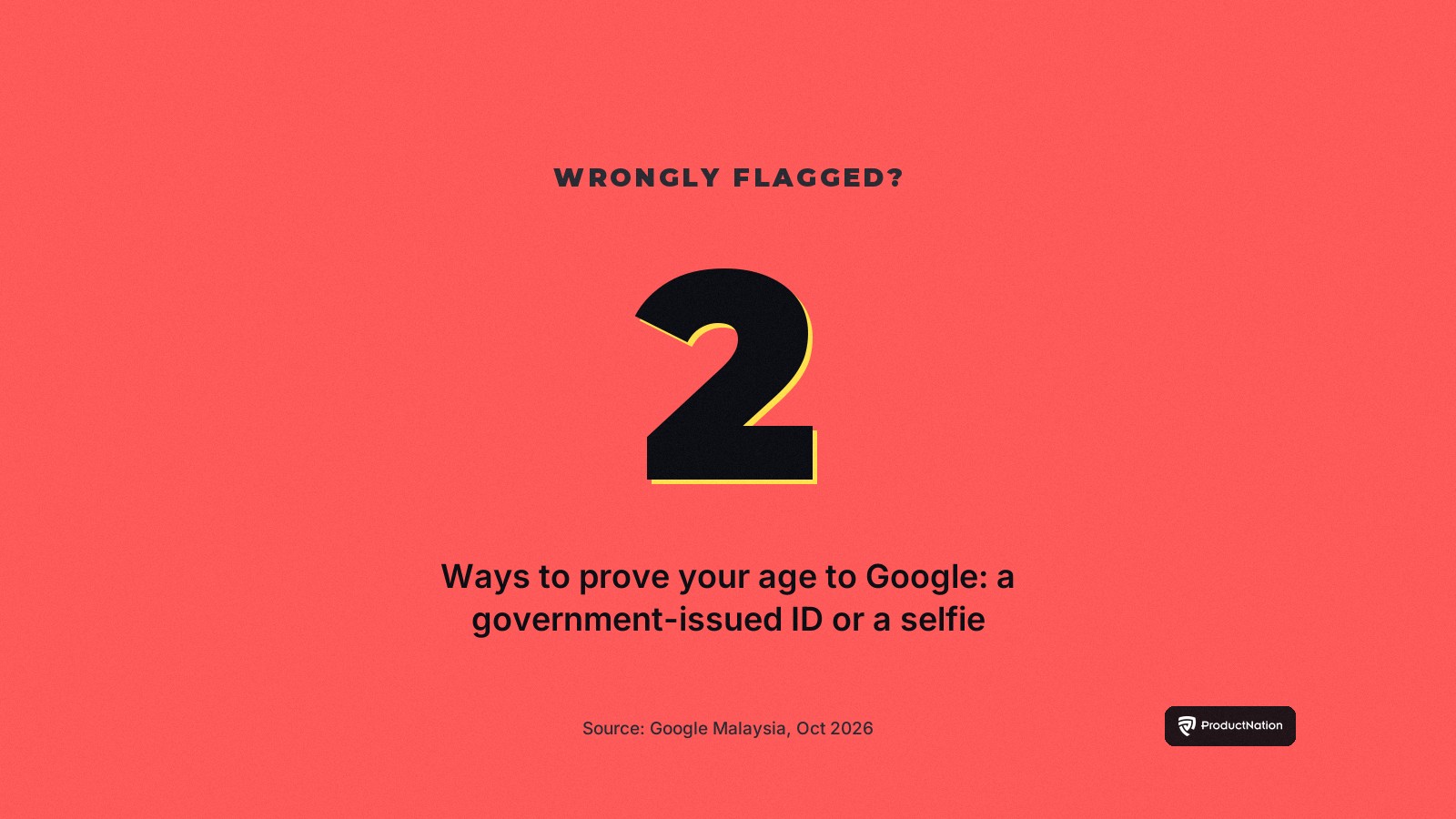
Mistakes are built into the design. If the model wrongly flags an adult as a minor, that person can prove their age by submitting a government-issued ID or a selfie. That trade-off, convenience against handing Google a document or a photo of your face, is the detail worth reading twice before you accept it.
Why it matters for Malaysians
Google already leans on its own tools to police what reaches Malaysian users. We recently covered how Google Messages is using Gemini to flag scam texts, against a backdrop of RM2.97 billion lost to online scams in the country in 2025. Age assurance comes from the same instinct: let the software judge the risk and act on it before the user does.
It also lands as Google pushes its Gemini assistant deeper into everyday use here, from its latest Gemini models arriving in Malaysia to its wider regional plans. Blocking mature Gemini content for under-18s is only workable because the assistant is now part of how younger Malaysians use their phones in the first place.

What to do about it
For now there is nothing to set up. The protections apply on their own to accounts Google reads as under 18, and adults who are misread can verify their age if something gets blocked. If you manage a child's account, it is worth checking which of these settings are already on, and treating the estimate as a starting point rather than a finished answer. The full detail is in Google's own announcement.