The data centres multiplying across Southeast Asia, including Malaysia's Johor corridor, carry a cost the investment headlines rarely mention: cooling a tropical data centre is expensive. The region is hot and humid, and keeping thousands of servers from overheating swallows a large share of the power bill. A new research tie-up in Singapore is pointed straight at that, and the results matter well beyond the island.
Contents
Quick facts
- Synopsys has joined STDCT 2.0, the Sustainable Tropical Data Centre Testbed led by the National University of Singapore
- Cooling can take up to 40% of a tropical data centre's total energy
- The work covers liquid cooling, AI-assisted thermal design and digital twins
- The same heat and humidity sit over Malaysia's data-centre build-out in Johor
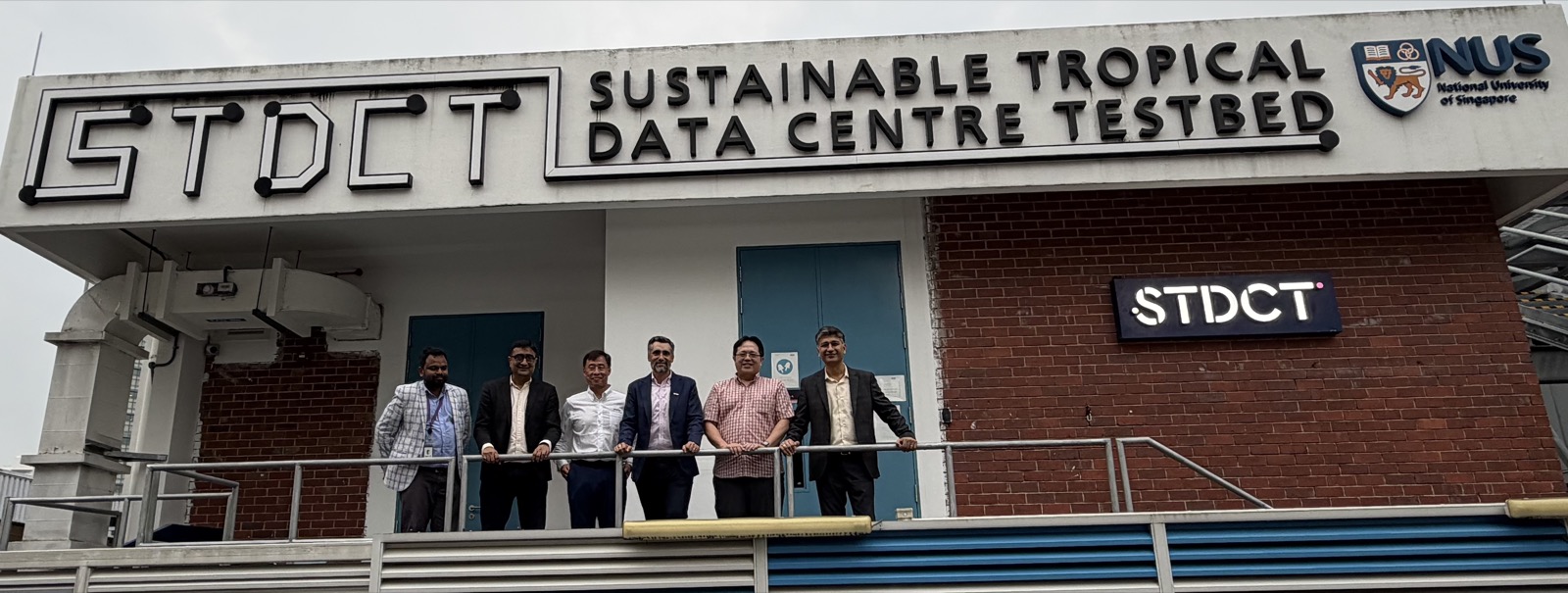
Synopsys has joined the Sustainable Tropical Data Centre Testbed Phase 2.0 (STDCT 2.0), a consortium led by the National University of Singapore (NUS) and hosted by its College of Design and Engineering. The plan is to pair Synopsys engineering simulation and digital modelling tools with the university's research and a working physical testbed, then design cooling that holds up in tropical conditions rather than the cooler climates most data-centre equipment was built for.
Why cooling eats up to 40% of a tropical data centre's power
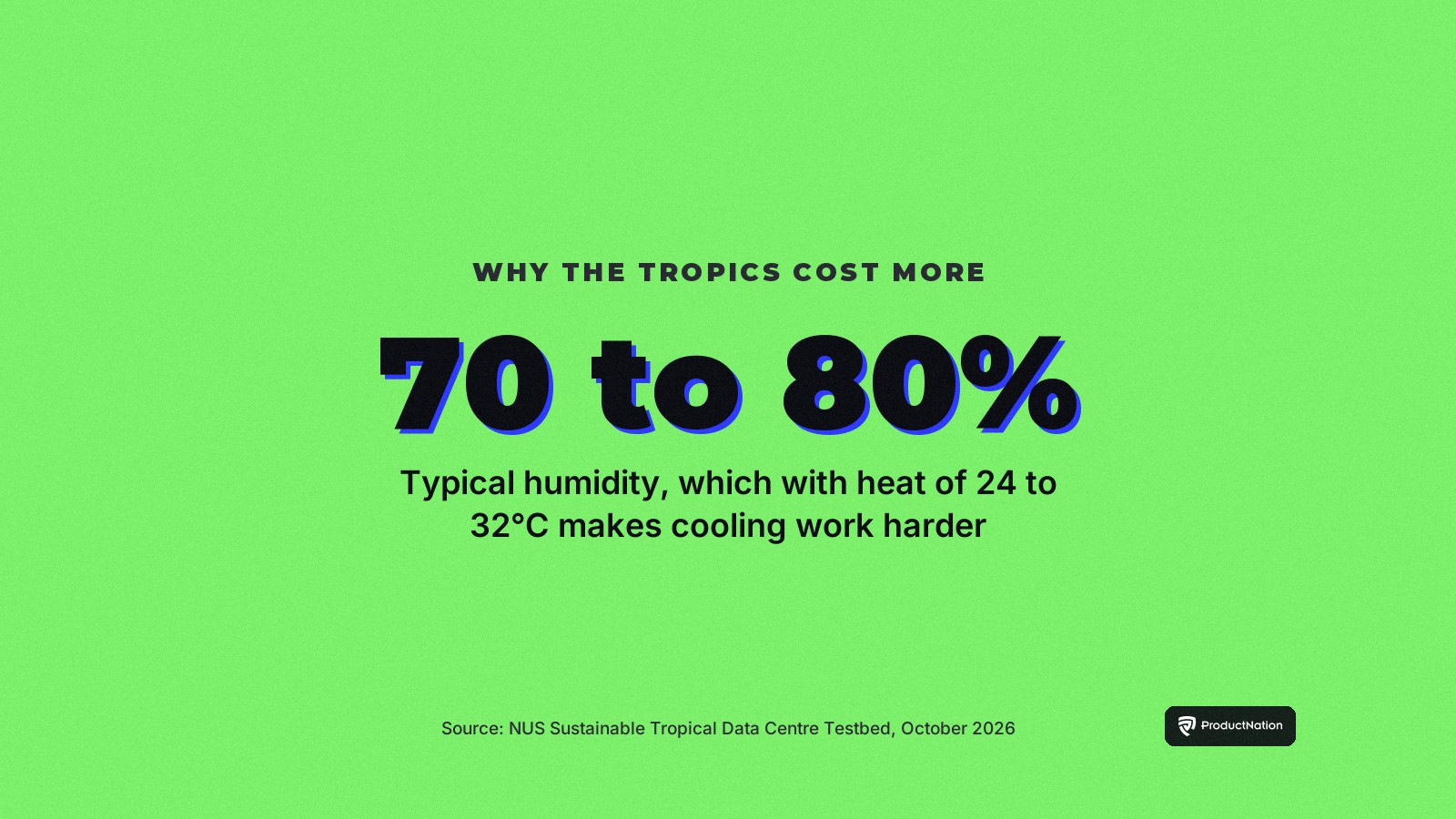
In tropical climates, ambient temperatures often sit between 24 and 32°C and humidity runs at 70 to 80%. Those conditions blunt conventional cooling and push up its energy use. By the consortium's figures, cooling alone can account for up to 40% of a tropical data centre's total energy consumption, a far bigger slice than operators face in cooler parts of the world. The rise of AI and high-performance computing makes it harder again, packing more compute into each rack and lifting power draw and heat with it.
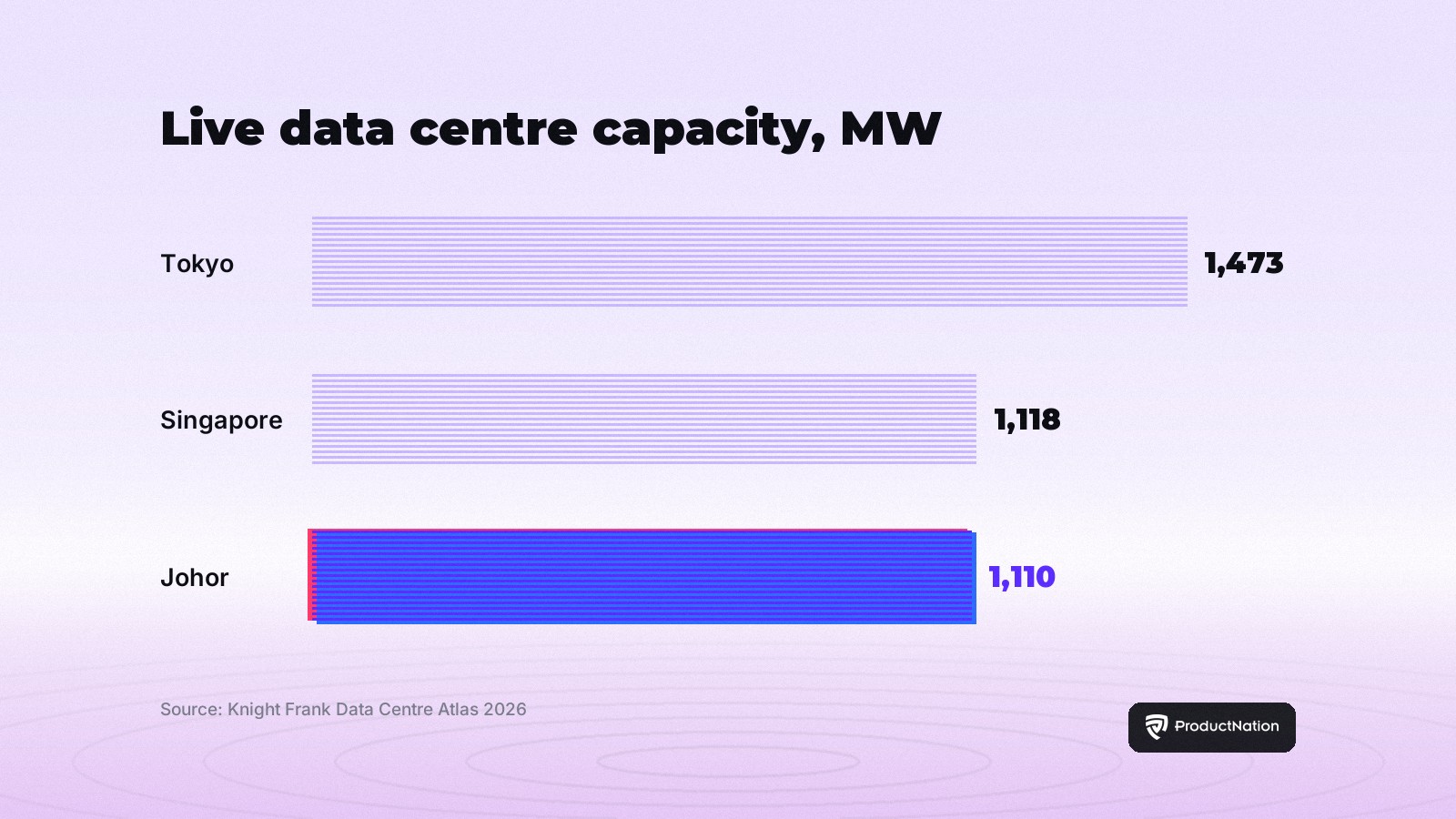
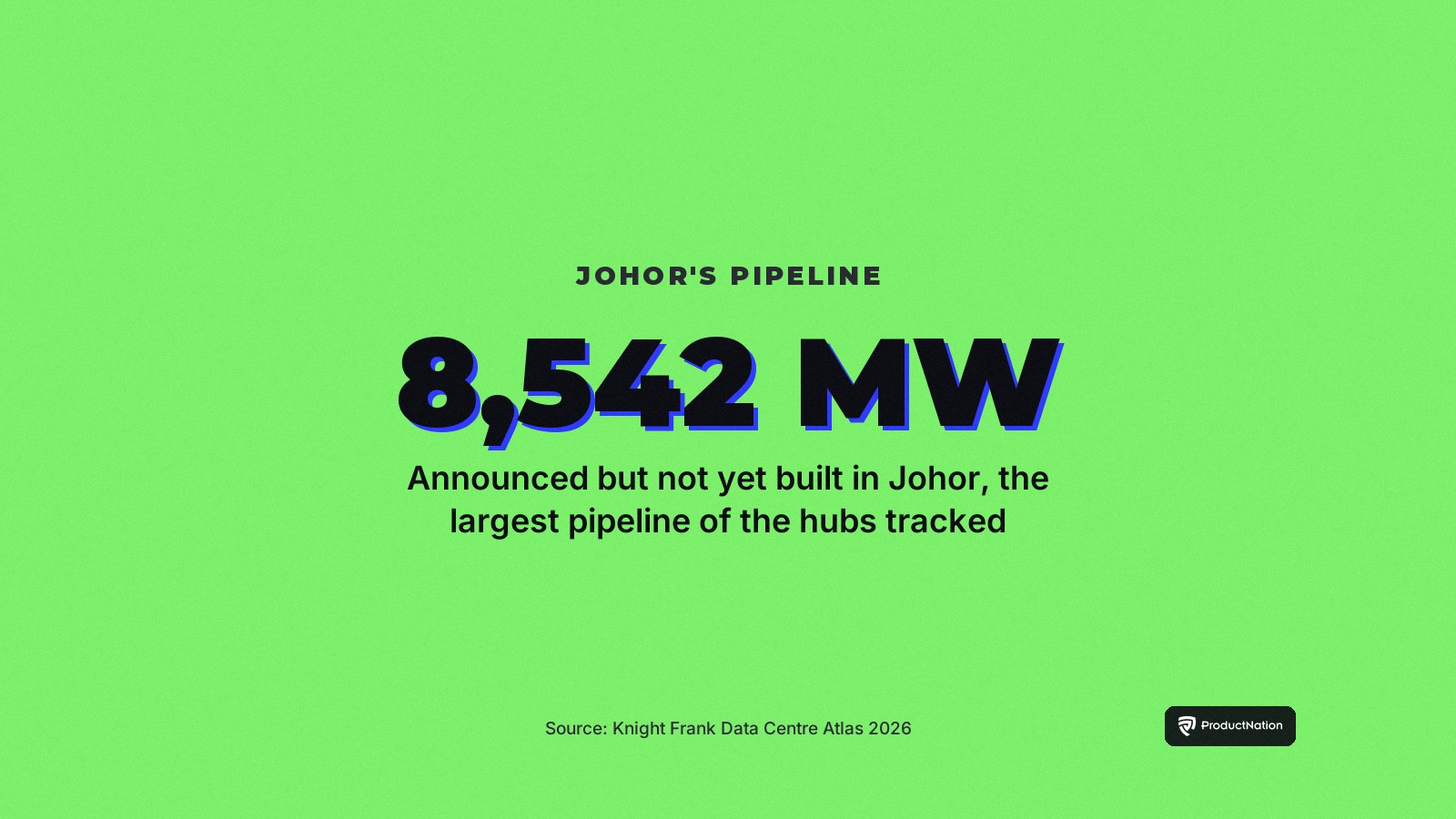
That is not an abstract concern for Malaysia. Johor is now one of Asia-Pacific's biggest data-centre markets, and every megawatt spent on cooling rather than computing is power the grid has to supply. We have written before about who ends up paying for the electricity these AI data centres draw, and cooling is a large part of that bill.
Simulation first, then the real rig
The collaboration spans advanced liquid cooling, computational fluid dynamics, multiphysics simulation, AI-assisted thermofluid design, reduced-order modelling and digital twins. Early research includes two-phase direct-to-chip cooling for the high-heat-flux AI accelerators now going into servers, plus digital twins that predict how liquid-cooled AI systems behave so operators can manage heat before it becomes a fault.
The planned workflow runs detailed simulation to narrow the design options, validates the promising ones on the STDCT 2.0 rig, then distils the results into lighter models that can drive a live digital twin for day-to-day decisions. Synopsys says it will contribute software access, technical expertise, training and project mentoring within the agreed scope. The testbed brings together research institutions, data-centre operators and technology providers, and its brief covers energy efficiency, water efficiency, green energy and greener computing.
What it means for the region
"We aim to develop validated, scalable cooling and digital twin solutions for increasingly dense, AI-ready infrastructure in Singapore and across the region," said Professor Lee Poh Seng, who directs the testbed at NUS. That last phrase is the part worth holding onto in Kuala Lumpur and Johor Bahru: the same heat and humidity sit over Malaysia's data-centre build-out, so cooling research done next door has a direct bearing on how much power and water that build-out ends up drawing.
Nothing here ships to a shopper. What changes, if the work pays off, is the part readers never see: data centres doing the same job on less electricity and less water, which is the difference between a build-out the grid can carry and one it cannot.