Malaysian creators keep hearing that serious AI work has to live in the cloud. A small studio in the United States has just shown the opposite, and the hardware doing it is a processor you will increasingly find in creator laptops and mini PCs.
Light Sail VR, an Emmy Award-winning immersive studio, built its own AI production coordinator and runs it entirely on local hardware powered by AMD Ryzen AI Max. The assistant handles the unglamorous side of production, project timelines, schedules and client notes, all inside the studio's existing Slack. That frees the creative team to spend more of the day on storytelling instead of admin.
Contents
The results are specific. Founder and chief executive Matthew Celia says he now oversees six to nine projects with the personal effort he used to spend on one or two. The studio chose to keep the model on its own machines for two plain reasons: repeatedly querying a cloud model gets expensive, and client footage and briefs are confidential, so keeping them on site avoids sending sensitive material off the premises.
Why running AI locally is starting to make sense
For years the trade-off was simple. The cloud had the compute, your laptop did not. That gap is closing. AMD introduced what it calls the agentic PC in 2025, and its second-generation Ryzen AI Max PRO 400 Series processors are built to run larger models and heavier local workloads on a single machine. We have already seen the same chip family put to work in other on-device AI tools, including Perplexity running 27-billion-parameter models locally on Ryzen AI Max PCs.
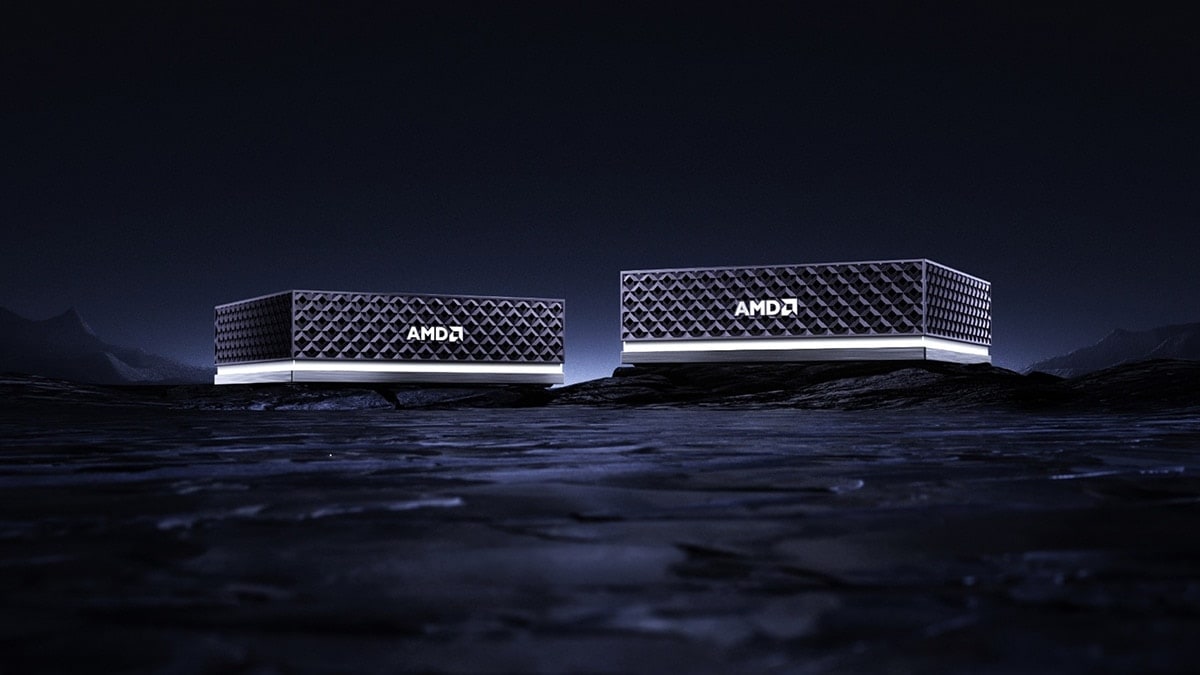
The direction is wider than one studio. AMD says more than half a million agentic PCs have shipped across over 50 designs, with new systems from various manufacturers aimed at developers, creators and businesses. The company has also started building AI agents of its own, such as Ross, an agentic assistant for embedded developers.
What it means for creators here
This is the kind of story we watch closely, because it sits where tech and filmmaking meet. A studio is using a processor, not a subscription, to take back time from busywork, and it is doing so without handing client material to a third party. For a Malaysian production house or a solo creator weighing the running cost of cloud AI against a one-off hardware purchase, that is a real comparison worth making.
Availability and price
The Ryzen AI Max PRO 400 Series ships inside systems from AMD's manufacturing partners rather than as a standalone part most people would buy on its own. AMD has not confirmed Malaysian pricing or a local on-sale date for the newest PRO 400 machines, so treat local availability as not yet detailed. You can read AMD's own account of the Light Sail VR case, with its supporting videos, on the AMD blog.
The headline here is not a faster chip. It is that a creative team got its time back by running AI on its own hardware, on its own terms. That is a template more studios, including Malaysian ones, can copy.