If you bank on your phone, keep savings with GX Bank or Boost, or scan a QR code to pay for lunch, the next few years of Malaysian finance are being drawn up right now. Bank Negara Malaysia has set out how the country's digital banking push moves from a race to sign up customers to something harder to prove: that it actually serves people well.
Contents
What Bank Negara set out
Speaking at the Asian Institute of Chartered Bankers (AICB) Nexus 2026 conference, Bank Negara's governor argued that the future of finance will be defined not by the speed or sophistication of technology, but by whether it strengthens trust, broadens opportunity and serves society. The central bank described its own stance as "anchored in proportionality, parity and technology neutrality." In plain terms, it wants to encourage new ideas without either smothering them too early or letting them run unchecked.
That sits under a larger plan. Bank Negara is drafting a new Financial Sector Blueprint for 2027 to 2030, the successor to the current 2022 to 2026 plan, to guide the industry through its next phase. Alongside it, the regulator introduced a Digital Bank Inclusion Monitoring and Evaluation (DIME) framework, meant to track whether digital banks are building real capability inside their businesses and delivering genuine outcomes for customers, not just opening accounts.
Why this matters for Malaysians
The numbers explain the shift in tone. By the end of 2025, Malaysia's digital banks had drawn 2.4 million customers and about RM4.2 billion in deposits, according to Bank Negara. Around 65 percent of those customers came from unserved or underserved groups such as low-income households, gig workers and younger Malaysians, and roughly 34 percent of approved financing went to those same segments. Five players are now live: GX Bank, Boost Bank and Ryt Bank on conventional licences, with AEON Bank and KAF Digital Bank operating as Islamic digital banks.
For everyday users, one reassurance is unchanged. Eligible deposits at these banks are protected by PIDM up to RM250,000 per depositor per bank, the same cover as a traditional account. The DIME framework matters because it turns financial inclusion from a marketing line into something the regulator measures, which is what keeps a low-income saver or a gig worker in focus once the banks start chasing profit rather than sign-ups.
Open finance and tokenisation come next
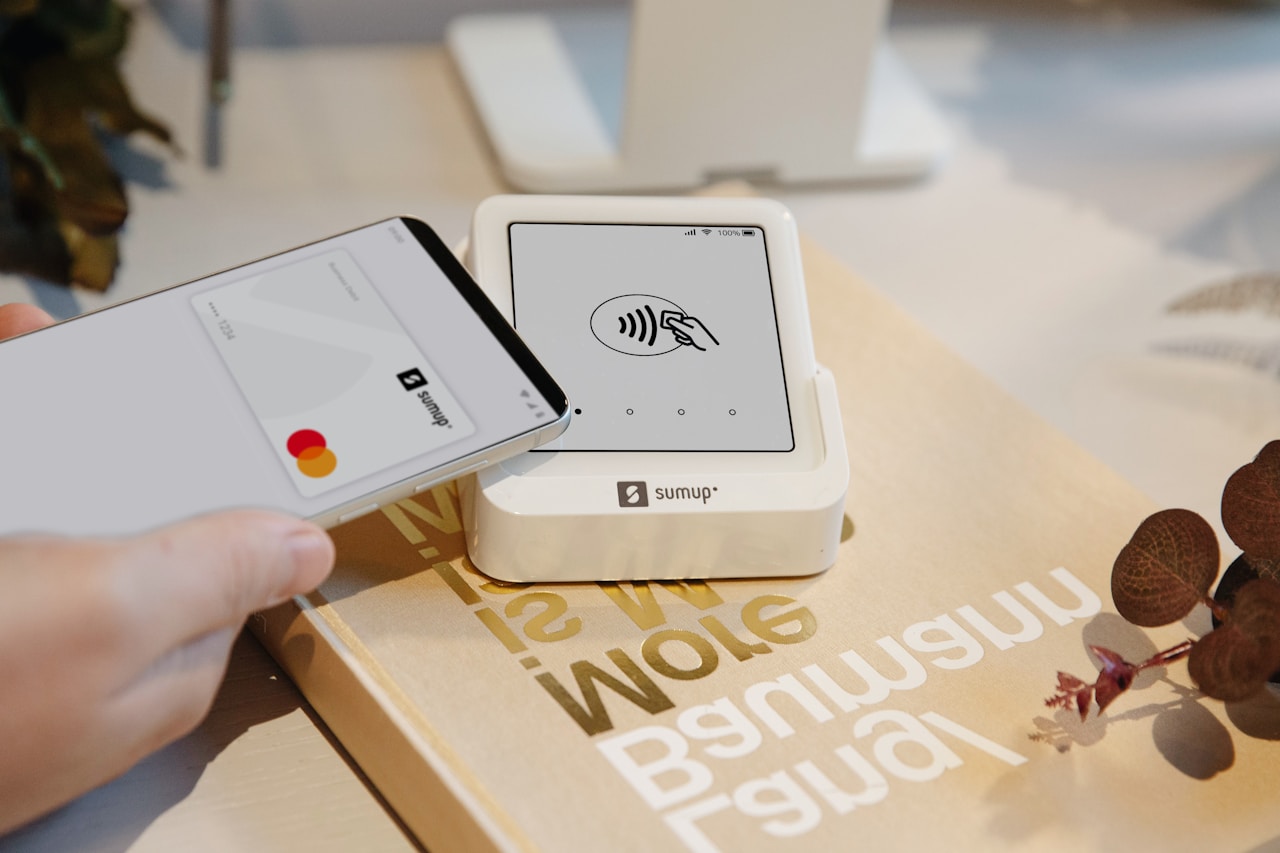
Two other threads run through the roadmap. Bank Negara's Open Finance framework would let you share your own financial data securely and only with your consent, so a lender or a budgeting app could see a fuller picture and offer you better terms. A pilot is being built with national payments network PayNet, seven banks and the EPF, with a phased rollout starting around 2027. Separately, an asset tokenisation roadmap that runs to 2027, under the Digital Assets Innovation Hub, is testing whether tokenised invoices and supply-chain assets can help narrow an estimated RM101 billion financing gap faced by small and medium businesses.
The takeaway
None of this arrives overnight, and the specifics still depend on the blueprint due next year. But the direction is set. After three years spent acquiring customers, Malaysia's central bank is now grading digital finance on trust, inclusion and real outcomes. For anyone who runs their money from a phone, that is the more useful scoreboard.
Images courtesy of Atlantic Money and SumUp on Unsplash.